
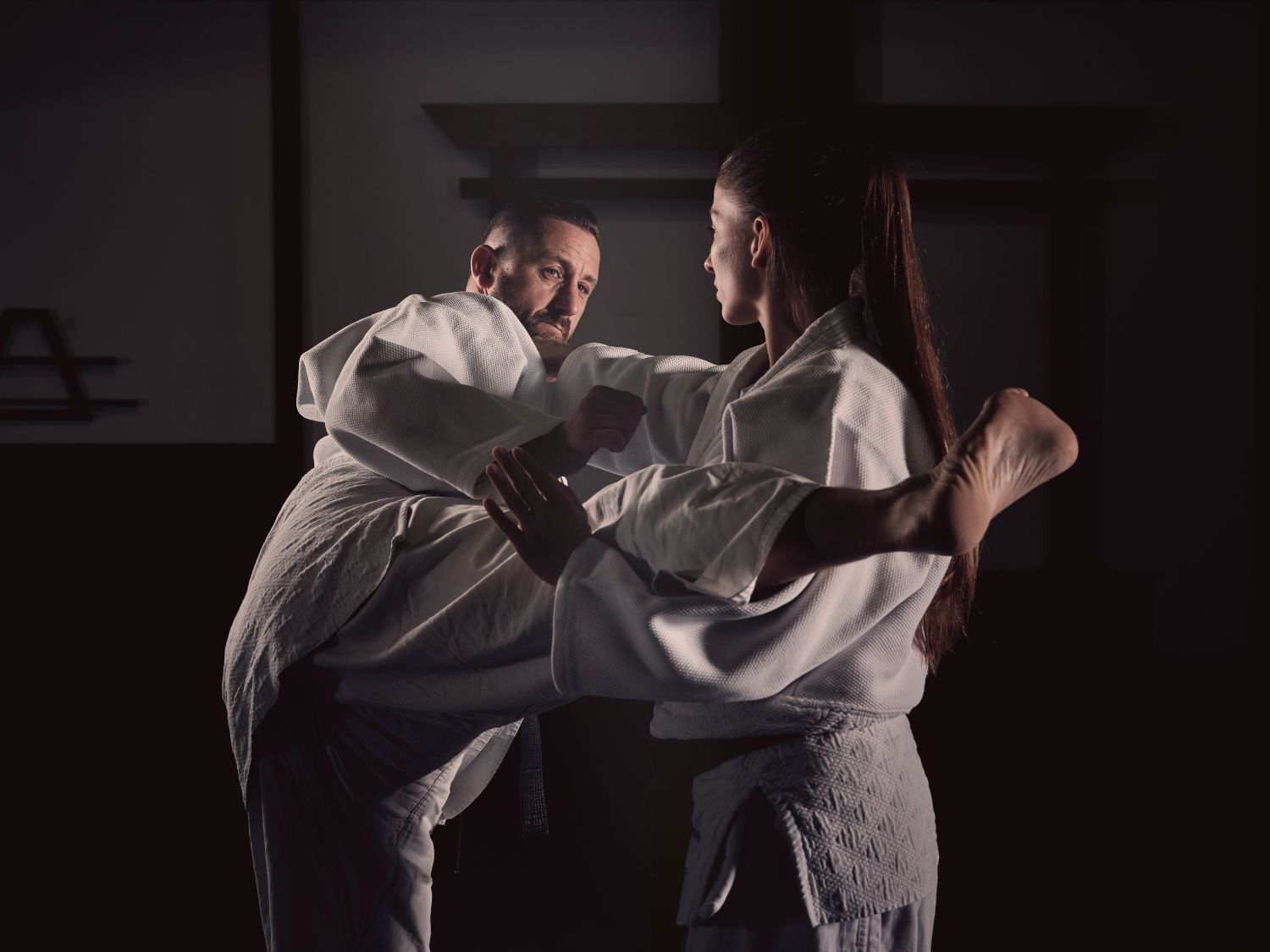
Taekwondo, a Korean martial art, is not only a form of self-defense but also a discipline that promotes physical fitness, mental strength, and personal growth. Known for its dynamic kicks and fast-paced movements, taekwondo has gained global popularity as a competitive sport and a means of self-improvement. This article explores the discipline, philosophy, and benefits of taekwondo, highlighting why it’s an excellent choice for individuals of all ages seeking to enhance their lives through martial arts.
1. The Discipline of Taekwondo
A. Structured Training
Taekwondo training typically follows a structured regimen that includes:
- Kicks and Techniques: Practitioners learn a variety of kicks, strikes, and defensive techniques, focusing on precision and control.
- Forms (Hyung): Forms are pre-arranged sequences of movements that help develop technique, balance, and timing. Practicing forms enhances muscle memory and discipline.
- Sparring (Gyeorugi): Sparring is a controlled practice where practitioners engage in combat with partners, allowing them to apply techniques in real-time and improve reflexes.
B. Belt System
Taekwondo employs a colored belt system to signify a practitioner’s level of expertise and progression through the art. The journey from white belt to black belt involves rigorous training, dedication, and testing, instilling a sense of achievement and discipline.
2. The Philosophy of Taekwondo
A. Core Values
Taekwondo is founded on a philosophy that emphasizes respect, courtesy, integrity, perseverance, and self-control. These values are integral to the practice and serve as guiding principles for practitioners both on and off the mat.
B. Mental and Emotional Growth
Beyond physical training, taekwondo encourages mental and emotional development. Practitioners learn to set goals, overcome challenges, and cultivate a resilient mindset. This philosophy fosters personal growth and character building, making taekwondo more than just a martial art but a way of life.
3. Benefits of Taekwondo
A. Physical Fitness
- Strength and Conditioning: Taekwondo training builds strength, flexibility, and endurance through dynamic movements and techniques.
- Cardiovascular Health: The fast-paced nature of taekwondo provides an excellent cardiovascular workout, promoting heart health and overall fitness.
- Weight Management: Regular practice can aid in weight management and body composition improvement through calorie expenditure and muscle toning.
B. Self-Defense Skills
Taekwondo equips practitioners with practical self-defense skills. The techniques learned can help individuals defend themselves in potentially dangerous situations, fostering confidence and a sense of security.
C. Enhanced Coordination and Balance
The intricate movements involved in taekwondo training improve hand-eye coordination, balance, and agility. These skills are valuable not only in martial arts but also in everyday activities and sports.
D. Stress Relief and Mental Clarity
Engaging in physical activity, especially martial arts, is an effective way to relieve stress. Taekwondo practice promotes mindfulness and focus, allowing practitioners to clear their minds and concentrate on the present moment. The discipline involved can also lead to improved mental clarity and emotional stability.
E. Community and Camaraderie
Taekwondo training often takes place in a group setting, fostering a sense of community and camaraderie among practitioners. The support and encouragement from fellow students and instructors can enhance motivation and make the journey more enjoyable.
4. How to Get Started
A. Find a Local Dojang
Research local dojangs (taekwondo schools) and visit them to observe classes, meet instructors, and assess the training environment. Look for a school that emphasizes both technique and the philosophical aspects of taekwondo.
B. Start with Introductory Classes
Many dojangs offer introductory classes for beginners. These classes typically cover the basics of taekwondo, allowing you to experience the discipline and determine if it’s the right fit for you.
C. Set Personal Goals
As you begin your taekwondo journey, set specific, achievable goals. These could include earning a certain belt rank, mastering specific techniques, or improving your fitness level. Having clear goals will help keep you motivated and focused on your progress.
Conclusion
Taekwondo is a dynamic martial art that offers numerous benefits beyond self-defense. With its emphasis on discipline, philosophy, and personal growth, taekwondo can significantly enhance your physical fitness, mental clarity, and overall well-being. Whether you’re looking to get fit, learn self-defense, or cultivate a strong sense of community, taekwondo provides a pathway to achieving your goals. Embrace the journey, and discover the transformative power of this remarkable art!